


How Florida's Stablecoin Bill Mirrors 'Big Brother' Tools Outlawed Under Ron DeSantis' CDBC Ban
The governor, who opposes CBDCs, appears poised to sign a regulatory framework for stablecoins in Florida.
469 articles
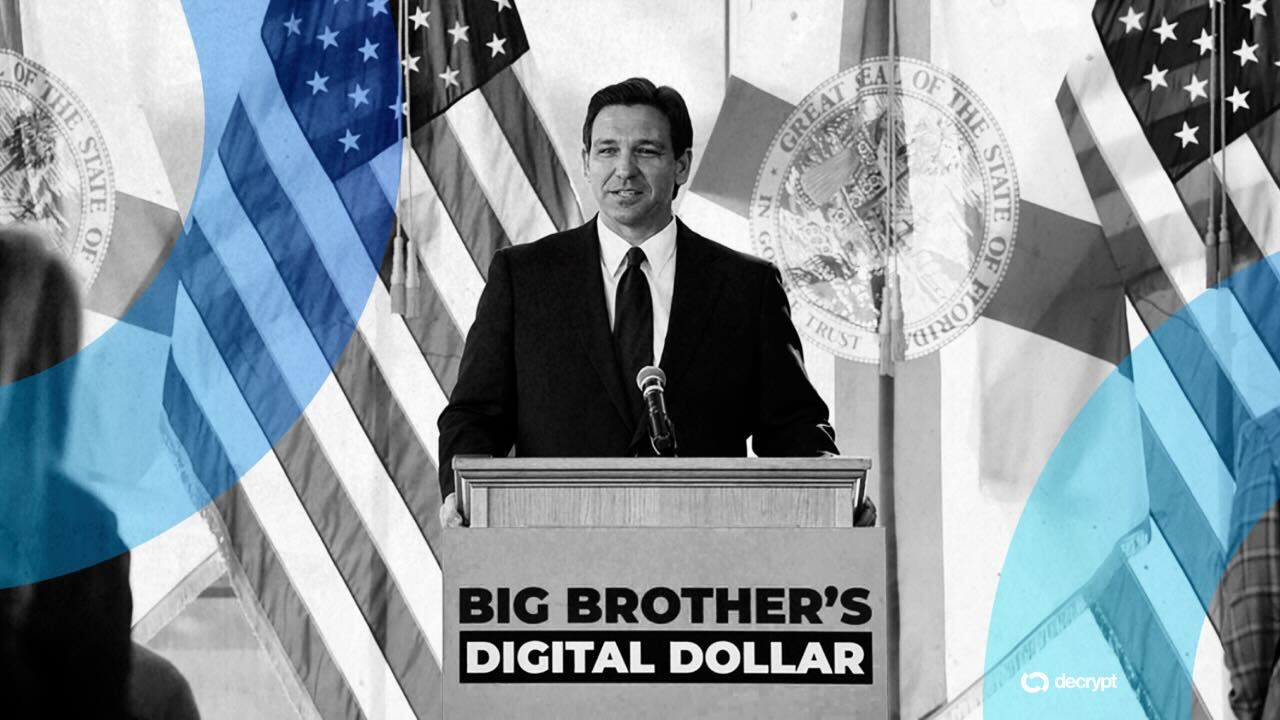
The governor, who opposes CBDCs, appears poised to sign a regulatory framework for stablecoins in Florida.

Regulatory uncertainty around stablecoins may disadvantage banks, as crypto firms continue expanding while financial institutions wait for clearer rules.

While many in the industry believe stablecoin rewards are the only sticking point for the US CLARITY Act, a crypto executive said more obstacles could appear.

They argue the tax would be illegal, violating Brazil's Constitution and Virtual Assets Law, as stablecoins are not considered fiat currency.

The brave new world of autonomous, micro-transacting AI agents is where programmable cryptocurrencies will shine, according to stablecoin experts.

Stanley Druckenmiller said stablecoins are more efficient, faster and cheaper than fiat running on traditional banking infrastructure.

Analysts at the investment company said the change was significant because the stablecoin “winner” will be the one people use for everyday transactions.

Druckenmiller argued that stablecoins could meaningfully boost financial system productivity by making payments faster and cheaper.

The USDC issuer's stock is soaring despite a market selloff as stablecoins expand into traditional finance. Meanwhile, Canaan boosts BTC reserves and Wells Fargo eyes crypto services.
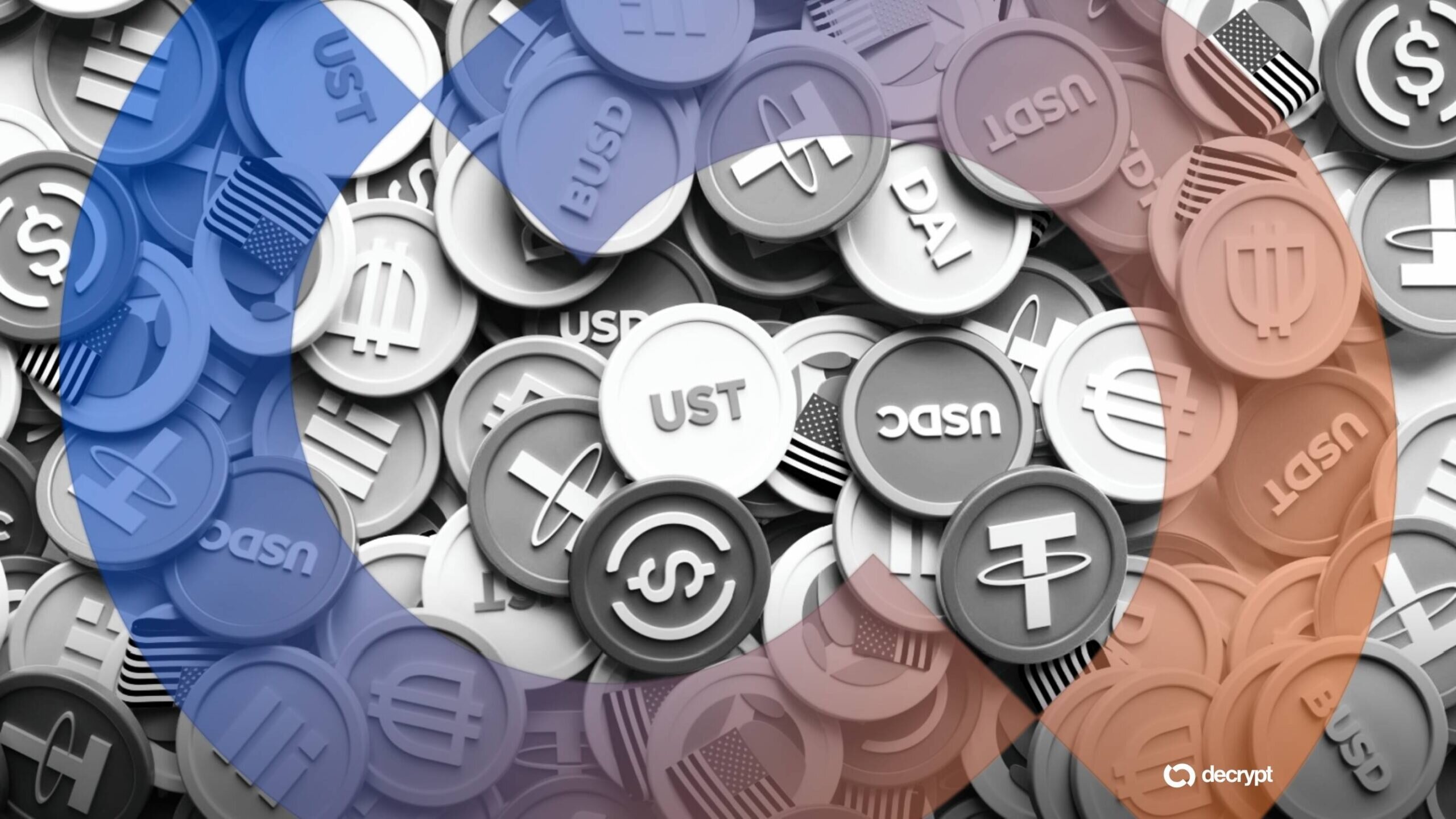
Former hedge fund manager Stanley Druckenmiller expects stablecoins to take over payments systems in the next 10-15 years.

The billionaire investor said stablecoins could become the whole payment system in 10-15 years, and reiterated that crypto might replace the U.S. dollar as the global reserve currency.
Yield-bearing stablecoins are growing faster than the broader market as US lawmakers remain divided over how crypto yield should be regulated.